1. Dinosaurs died a long time before anyone could see them.
2. The way scientists learn about dinosaurs is by studying the bones they left behind, called fossils.
3. Scientists who study dinosaurs are called paleontologists.
Now, for the new stuff:
Scientists put dinosaurs in two groups based on what they mainly ate. Carnivores were dinosaurs that mostly ate meat; herbivores were dinosaurs that mostly ate plants.
There are two ways of knowing whether a dinosaur was a carnivore or herbivore:
 |
| Triceratops - four-legged herbivore |
1. Look at the legs. Dinosaurs who walked on four legs tended to be herbivores, while dinosaurs that walked on two legs tended to be carnivores.
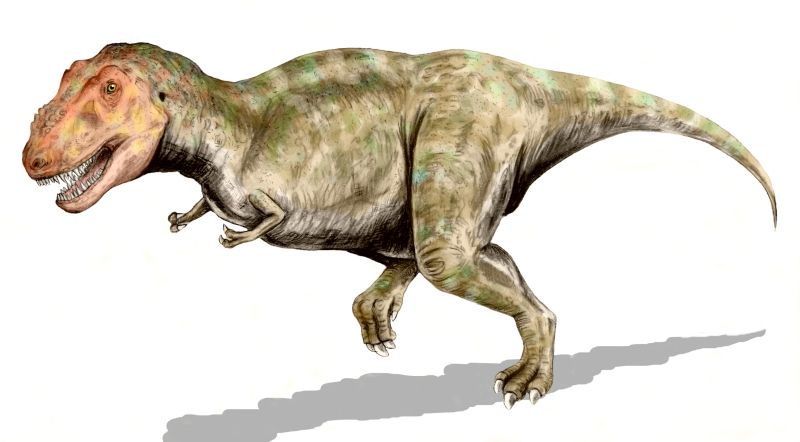 |
| Tyrannosaurus Rex - two-legged carnivore |
| Parasaurolophus - two-legged herbivore |
2. Look at the teeth. Dinosaurs with sharp, pointy teeth tended to be carnivores. Dinosaurs with flat teeth, similar to our molars, tended to be herbivores.
| Carnivore or herbivore? |
Questions for you and your child:
1. How many carnivores can you name out of dinosaurs and animals that are alive today? How many herbivores?
2. How do you know whether a dinosaur is a carnivore or an herbivore?
3. Using the teeth in your mouth, show me which kind of teeth are for ripping at meat and which kind are for chewing plants.
Be sure to check out the "All Aboard" game on the Dinosaur Train Game Site for your student to get some more practice differentiating between carnivores and herbivores.


